The end then of learning is to repair the ruins of our first parents.
返回作者列表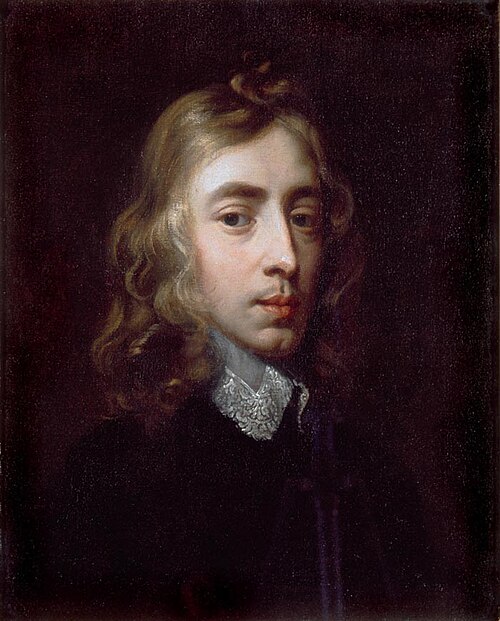
John Milton John Milton
Wikiquote author entry for John Milton.
收录来源
- Tractate of Education (1644)
- Il Penseroso (1631)
- L'Allegro (1631)
- Lycidas (1637)
- 《史诗《失乐园》》
- On the Morning of Christ's Nativity (1629)
- Paradise Regained (1671)
- Paradise Lost (1667)
收录名言 (31) Quotes
Litigious terms, fat contentions, and flowing fees.
Hide me from day's garish eye, While the bee with honied thigh, That at her flowery work doth sing, And the waters murmuring With such consort as they keep, Entice the dewy-feathered sleep.
In those vernal seasons of the year, when the air is calm and pleasant, it were an injury and sullenness against Nature not to go out, and see her riches, and partake in her rejoicing with heaven and earth.
None can love freedom heartily, but good men; the rest love not freedom, but license.
Men of most renowned virtue have sometimes by transgressing most truly kept the law.
The end of learning is to know God, and out of that knowledge to love Him and imitate Him.
Such sweet compulsion doth in music lie.
Or call up him that left half told The story of Cambuscan bold.
Yet I argue not Against Heav'n's hand or will, nor bate one jot Of heart or hope; but still bear up, and steer Right onward.
Herbs, and other country messes, Which the neat-handed Phillis dresses.
But O the heavy change, now thou art gone, Now thou art gone and never must return!
宁在地狱为王,不在天堂为奴。
Better to reign in hell than serve in heaven.
License they mean when they cry, Liberty! For who loves that must first be wise and good.
Peace hath her victories No less renowned than war.
No war, or battle's sound Was heard the world around. The idle spear and shield were high up hung.
The mountain nymph, sweet Liberty.
Who best Bear his mild yoke, they serve him best: his state Is kingly; thousands at his bidding speed, And post o'er land and ocean without rest; They also serve who only stand and wait.
He who would not be frustrate of his hope to write well hereafter in laudable things ought himself to be a true poem.
Ornate rhetoric thought out of the rule of Plato... To which poetry would be made subsequent, or indeed rather precedent, as being less subtle and fine, but more simple, sensuous, and passionate.
Inflamed with the study of learning and the admiration of virtue; stirred up with high hopes of living to be brave men and worthy patriots, dear to God, and famous to all ages.
And join with thee, calm Peace and Quiet, Spare Fast, that oft with gods doth diet.
I walk unseen On the dry smooth-shaven green, To behold the wandering moon, Riding near her highest noon, Like one that had been led astray Through the heav'n's wide pathless way, And oft, as if her head she bowed, Stooping through a fleecy cloud.
Attic tragedies of stateliest and most regal argument.